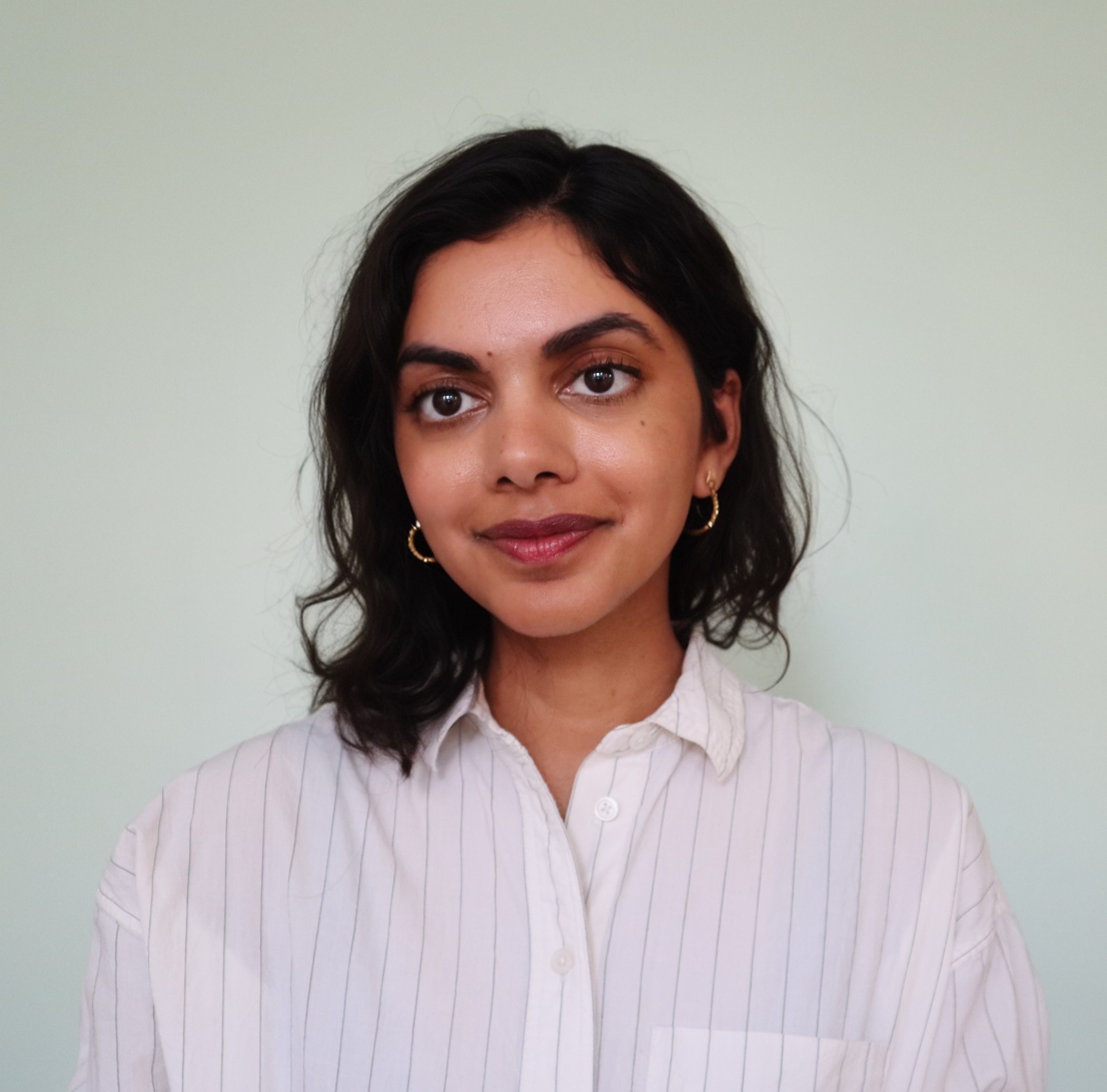
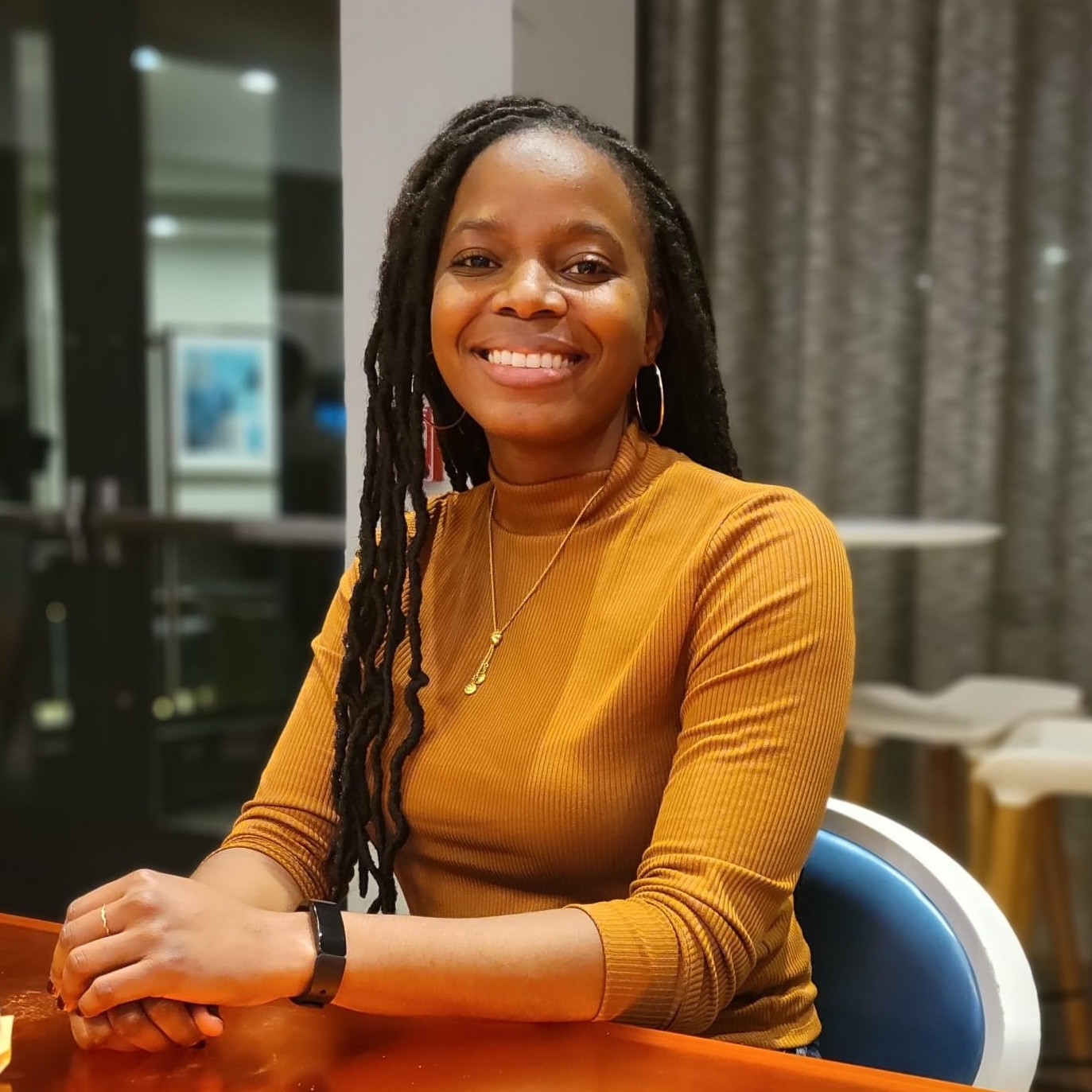
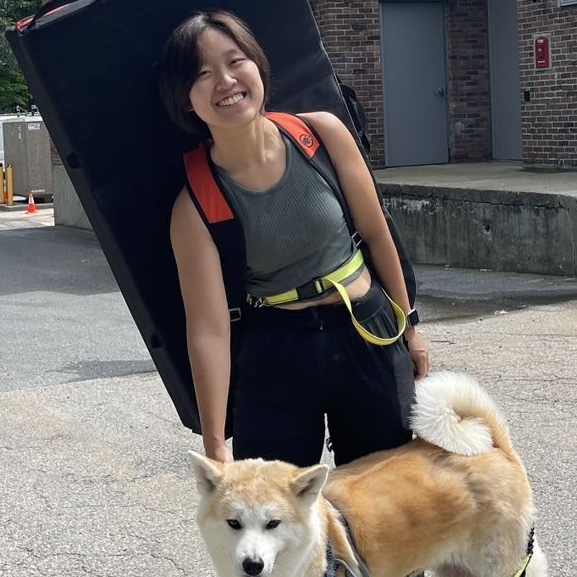
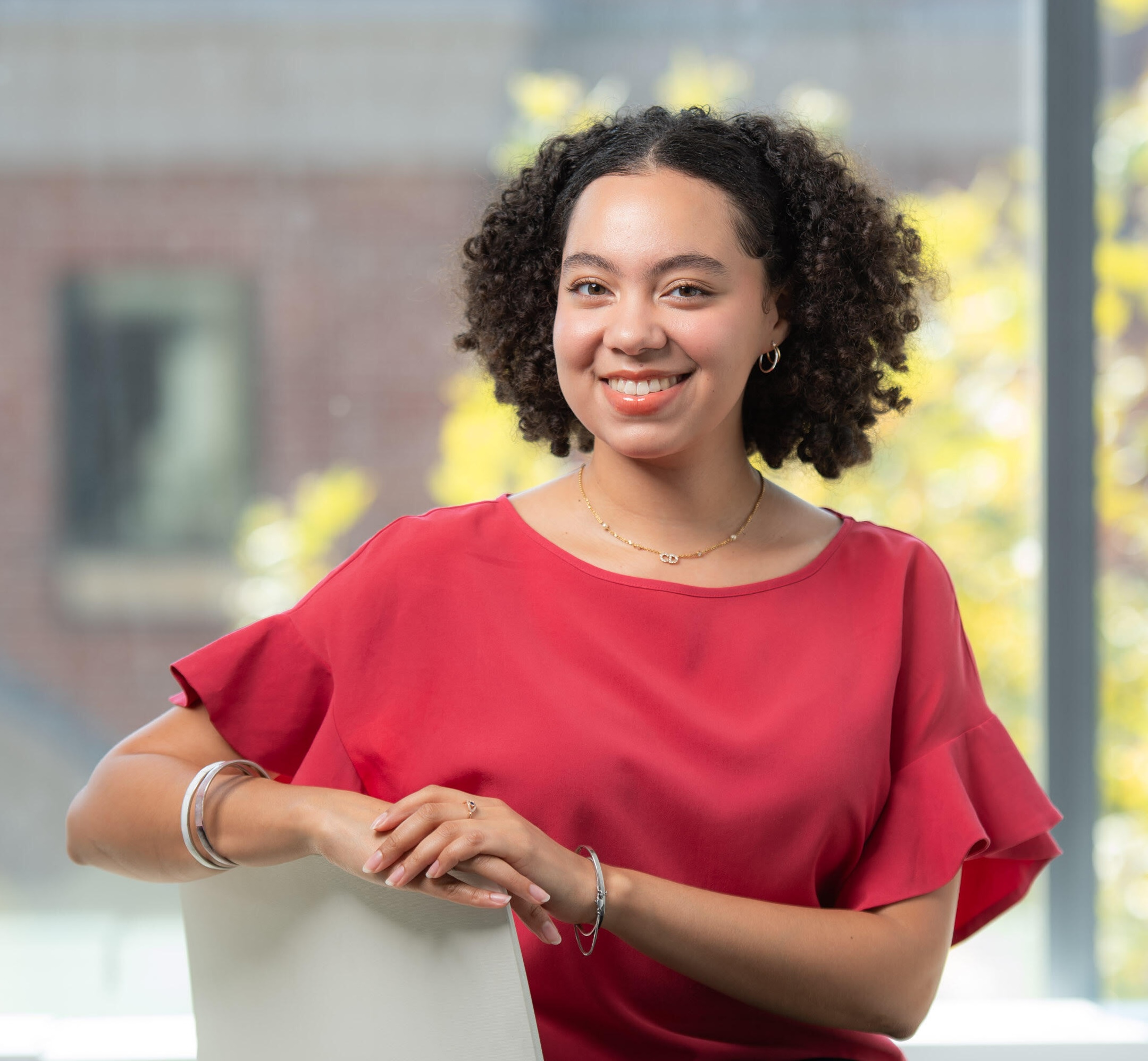
The Data in Society Collective (DISCO Lab) studies how data and computational systems shape and are shaped by society. We critically examine AI technologies within their sociotechnical context, while reimagining systems that are more grassroots, participatory, accountable, and equitable.
Masters Researcher
Undergraduate Researcher
Participatory approaches aim to bring more perspectives—especially those that are historically not represented—into the design and development of technology. Participatory approaches hold promise to shift harmful power imbalances and enable more grassroots and community-driven technology practices. But what does meaningful participatory AI actually look like in practice? How do we avoid risks of "participation-washing"? What tensions arise between considerations of context-specificity versus those of scale? Our work in this area spans case studies and participatory parternships grounded in context, as well as broader frameworks of what participation could and should look like in today's AI landscape.
What are the ways in which individuals and communities assert agency in response to highly-centralized and black-box algorithmic systems? We are interested in understanding and supporting everyday practices of resistance, subversion, contestation, and counterdata collection. For example, as part of the cross-institutional Counterdata Network, we contribute to understanding the data practices of activists who collect counterdata, and co-design AI-based tools to support their work monitoring human rights abuses.
Evaluation paradigms influence which research agendas are pursued, what is considered "state-of-the-art," and how we prioritize values in technology. How can evaluation methods stem from the lived experience and expertise of those embedded in a downstream context? What does a sociotechnical approach to evaluation—one that is not only focused on model behavior, but on the wider social, political and organizational dynamics at hand—look like? Our work in this area includes problematizing default notions (e.g., of what it means to be an "expert") and designing new systems and practices for contextual, human-centered evaluation.
Representational Harms in LLM-Generated Narratives Against Global Majority Nationalities.
ACM Conference on Fairness, Accountability, and Transparency (FAccT ‘26).
Ilana Nguyen, Harini Suresh, Thema Monroe-White, Evan Shieh.
Reimagining Data Work: Participatory Annotation Workshops as Feminist Practice.
CHI Conference on Human Factors in Computing Systems (CHI ’26).
Yujia Gao, Isadora Araujo Cruxên, Helena Suárez Val, Alessandra Jungs de Almeida, Catherine D'Ignazio, Harini Suresh.
[paper]
How LLM Counselors Violate Ethical Standards in Mental Health Practice: A Practitioner-Informed Framework.
AAAI/ACM Conference on AI, Ethics, and Society (AIES '25).
Zainab Iftikhar, Amy Xiao, Sean Ransom, Jeff Huang, Harini Suresh.
[paper]
"Ownership, Not Just Happy Talk": Co-Designing a Participatory Large Language Model for Journalism.
ACM Conference on Fairness, Accountability, and Transparency (FAccT ‘25).
Emily Tseng*, Meg Young*, Marianne Aubin Le Quéré, Aimee Rinehart, Harini Suresh.
[paper]
Participation in the age of foundation models.
ACM Conference on Fairness, Accountability, and Transparency (FAccT ‘24).
Harini Suresh*, Emily Tseng*, Meg Young*, Mary Gray, Emma Pierson, Karen Levy.
[paper]
If you are currently an undergraduate or graduate student at Brown interested in working with the lab, reach out directly to Harini at harini_suresh@brown.edu, including some background on yourself and your interests. Please also include if you have a specific thesis or research project you'd like to propose. Our research is interdisciplinary and touches many subject areas -- please feel free to reach out if you think there's a good fit, even if you are outside of the CS department/concentration.
If you are a prospective PhD student, please apply to Brown's CS PhD program directly. You can also email harini_suresh@brown.edu, including some background on why you are interested in the lab. Due to volume, Harini may not be able to reply to all emails about PhD admissions, but all applications will be reviewed carefully.
If you are an individual or organization (in or outside of academia) interested in partnering on a project, please reach out. We are always interested in ways we can support local/grassroots initiatives that align with our mission.